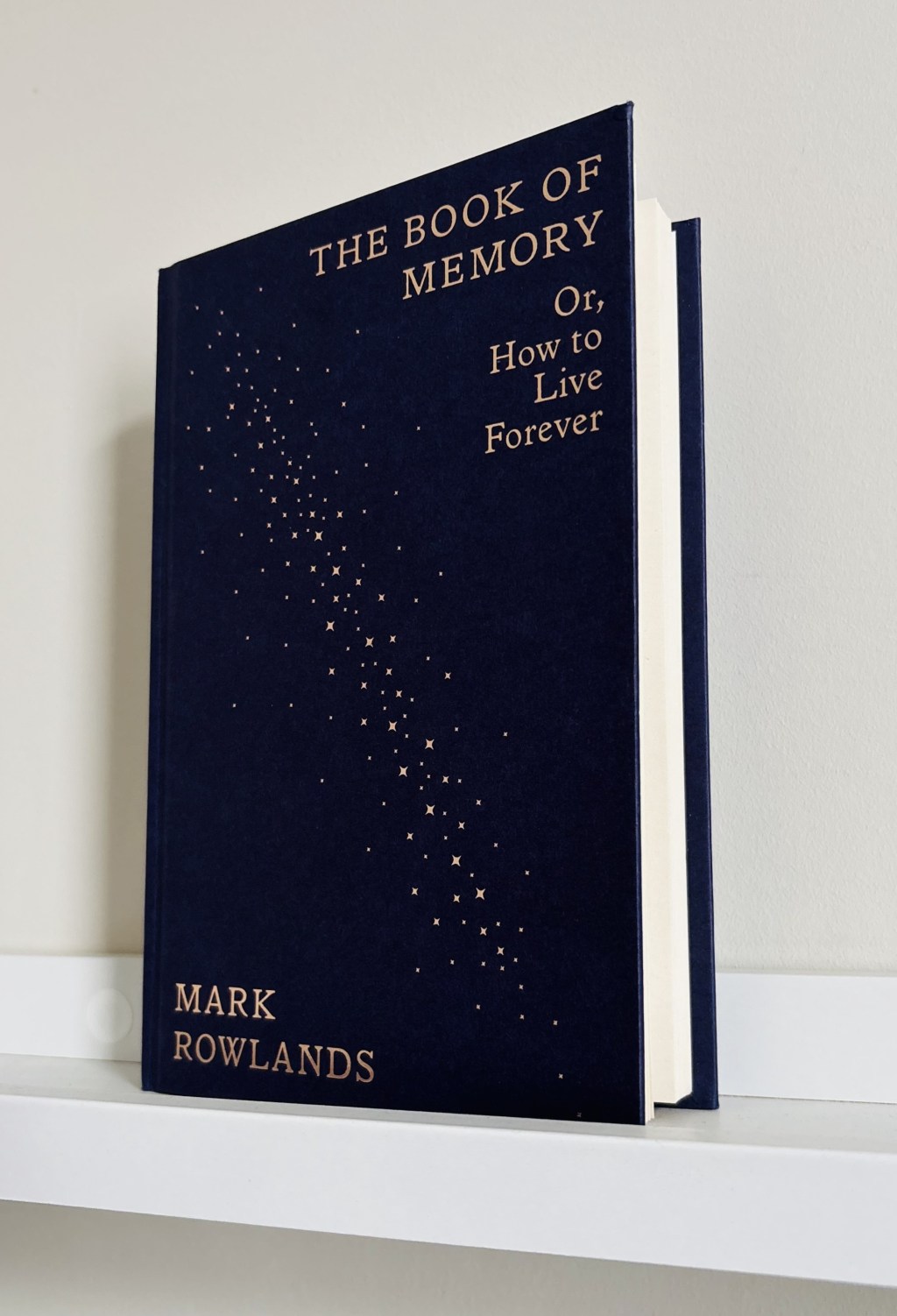
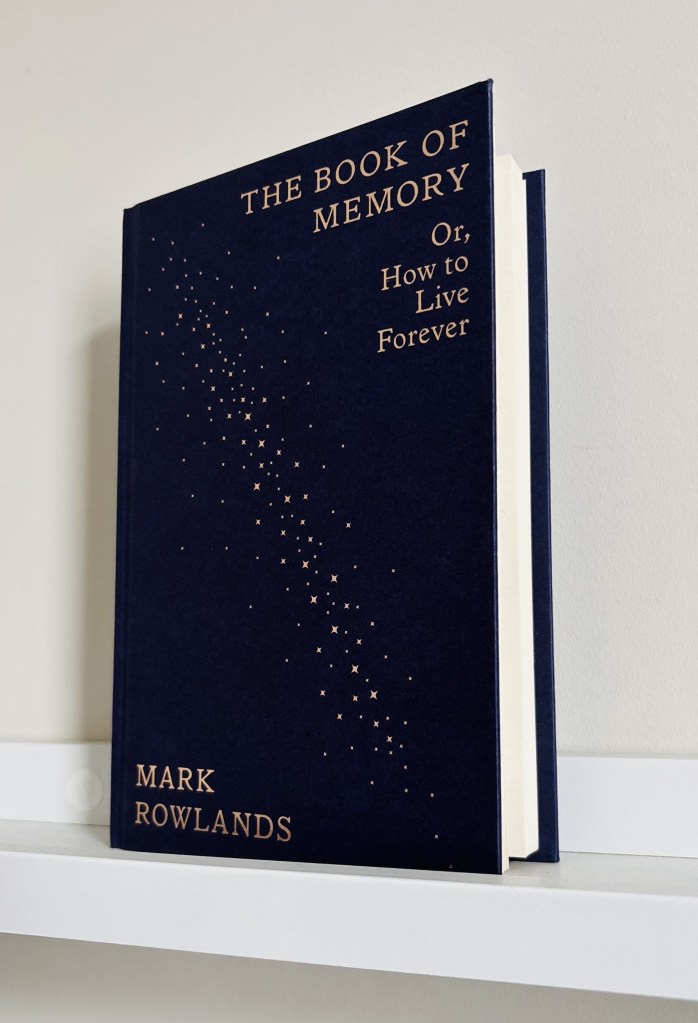
I was bought this book in December 2025 and (excuse loading) haven’t touched it until April 2026 because fuck off i had a baby alright and you cant read in the dark with a tiny human slowly draining the life out of you via your nipple juice. You’re allowed, maybe even expected, to spend those first few months watching first dates and pinning outfit ideas to your board for when you’re afforded more than 2.5 minutes to get ready on a morning.
The Book of memory isn’t what i expected. I had ideas of it having a feel of David Hawkins – Transcending the Levels of Consciousness, which i would recommend to anyone with slightly more than a passing interest in the subject matter. It really spoke to something in me that i was exploring in my mid 20’s. Though i would just beware that it did give some of my male friends, upon first reading, a messiah level of grandiosity and superiority of perceived insight when discussing ideas around consciousness. Basically if you do read it just don’t go round spouting it off to people like you’ve been let in on some kind of secret to life just because you read a good book. It might get you laid once or twice but everyone else doesn’t think you’re enlightened, they think you’re a dick.
The book of memory feels much more conversational in nature. Don’t get me wrong – you can tell its very well researched and he is obviously an expert in his subject etc but I feel like Mark is unravelling quite a few years of his own thoughts and memories and has stood back to observe how it is woven all together and invited you in on it. It feels more personal which as a person myself i love. I told my partner it kind of feels like one of those chats you have with your mate when you’re stoned but not like super stoned just stoned with a good little ‘vibe’ ya know? One review on goodreads says ‘it would be better if he would get to the point faster’ and I think that’s kinda missing the point actually. Without getting too neggy and social commentatory, we need to stop looking at art to give us black and white answers to questions that we weren’t really asking in the first place. I’m sure the reader didn’t actually think Mark was going to give him a step by step guide on how to live forever so if you’re going into this book expecting that id say step away now, or if you don’t and decide to write a review on goodreads maybe just leave that bit out.
I thoroughly enjoyed the references to Rilke (sidebar- I read some Rilke on a girls holiday to Turkey when i was 17 thinking i was giving intellectual whilst pounding blue lagoons but actually didn’t really get it so it was nice to redeem 17 year old me at this point *thanks mark*) and how beautifully he explores the nature of the ‘style’ of a person. It made me think of people who i have loved who unfortunately became lost towards the end of their lives but really how this ‘style’ of them remained in some small way when the bigger parts of them were gone, and how connected this was to my memory and theirs. He also uses big ass quotes which i LOVE, i always feel short changed when someone just uses piddly little quotes when you can tell the full text has had a big impact on them, so no apology needed for those please!
The most ‘scientific’ portion of the book which goes into the detail of how memories are encoded to short term and then long term memory and what happens when we retrieve these memories has the air of a black mirror episode about it in the best way. We’re told that the biological and chemical process that occurs when a memory is encoded and then it is later retrieved are substantially similar. Experiments on rats have so far yielded results that suggest that if the protein involved in the formation and retrieval of memories is inhibited prior to memory retrieval the memory will disappear. The black mirror ness of it all makes me question what if in the cases of the worst of childhood trauma or severe ptsd we could erase these memories all together from humans? Would that be effective or would the residual Rilkean memory, the part of the trauma that makes people say ‘it’s made you who you are though’ would that remain with nothing to anchor it and place it in your sense of self? If you’re a survivor and your body tells you your a survivor but you don’t know what of, is that ethical and useful to an individual? It would place you outside a memory. I would love to talk to Mark and get his view on this.
Towards the end, Mark is speaking to his sons directly. And it is here where some of the more beautiful sentences and ideas are found, to the point I felt the emotion. How to live forever (spoiler) is essentially by staying alive within the memories of others. By passing on our memories as authors to others as owners. The line that hit me hardest, and I think can (and should) be applied to life in general is ‘we are all, each one of us, many somebodies’. Lovely.


Leave a Reply